Identification:

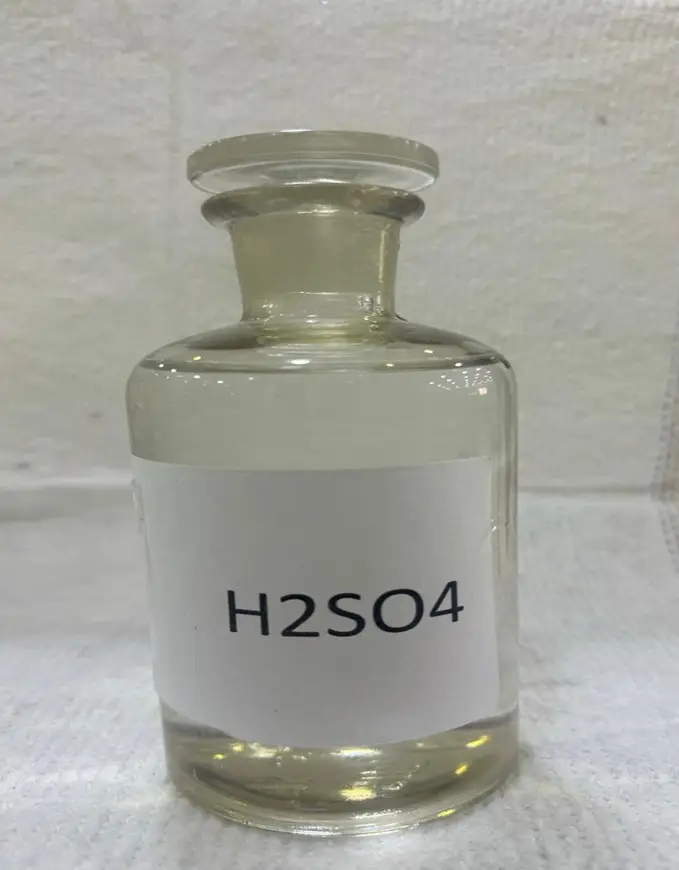
Sulfuric Acid: A very strong acid, highly reactive, with a thick consistency. It is used as a basic input in many industries such as fertilizer manufacturing, metal processing, and glass production. It plays an important role in many industries because of its intense reactivity. It is considered one of the strongest acids and one of the strongest oxidation agents and has the ability to absorb moisture, which makes it one of the materials used in dehumidification applications in industrial processes.
Lab Glassware
Manufacturing

Manufacturing method:

Sulfuric acid is manufactured via reaction of SO3 with water. Sulfur dioxide gas is first produced through the process of burning molten sulfur with air inside the furnace designated for this purpose. The combustion process produces sulfur dioxide gas (SO2). Then, sulfur dioxide gas (SO2) is reacted with oxygen inside the reactor with a catalyst to stimulate the reaction process (Catalytic Beds Converter). The reaction process produces sulfur trioxide gas (SO3) necessary to produce sulfuric acid. The process of absorbing sulfur trioxide gas into water takes place inside the absorption towers to produce sulfuric acid with a concentration of 98.5%.

Production

Production capacity:

Sulfuric acid is produced at a production capacity of 1,650,000 ton/year in the Industrial Complex in Aqaba.

H2SO4 Product Bottle

Uses:

  • Fertilizer Manufacturing
  • Glass Manufacturing
  • Metal Processing
  • Batteries Industry
  • Production of some medicaments and medical products.

Identification:

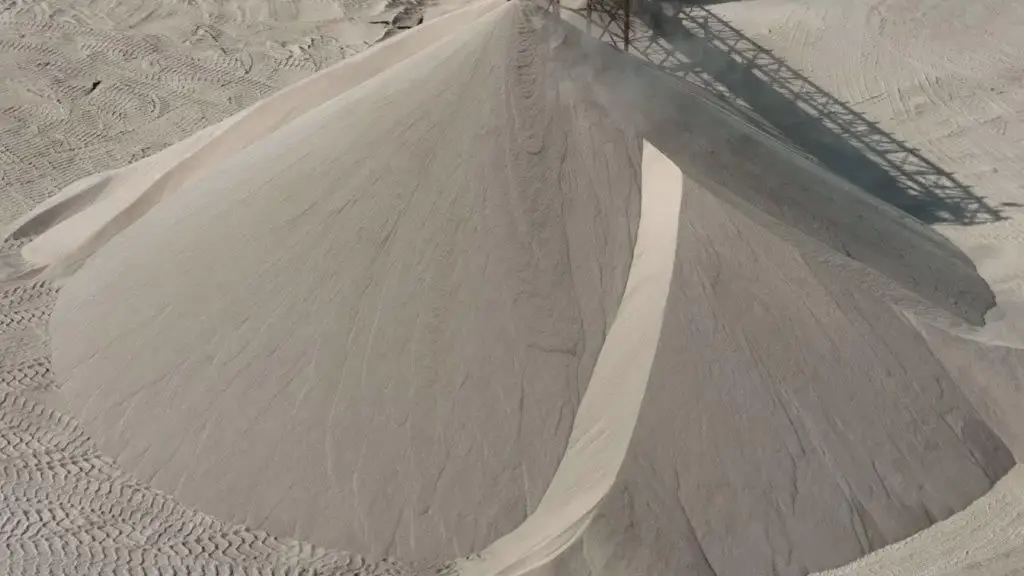
Raw Phosphate: is rock that contains phosphate minerals, with apatite being one of the most notable. It is primarily composed of phosphate compounds such as calcium phosphate, which is a key source of the essential nutrient phosphorus. One of the most important environmental and competitive aspects of Jordanian phosphate rock is its relatively low concentration of heavy metals like cadmium, lead, mercury, arsenic, and zinc, all of which are hazardous to the environment, particularly cadmium.

Lab Glassware
Manufacturing

Manufacturing method:

The manufacturing of raw phosphate involves a series of integrated processes aimed at extracting and converting phosphate rock into a usable industrial product. The process begins with the extraction of phosphate from mines using drilling and blasting techniques. After the phosphate rock is extracted, it is crushed to reduce its size and facilitate further processing.
The raw phosphate undergoes several stages of treatment, including washing to remove impurities and unwanted materials. It is then concentrated through a flotation process, where specialized chemicals are used to separate the phosphate minerals from other materials.
In the final stage, the phosphate is dried and concentrated to produce a high-quality product with a high phosphorus content, making it suitable for use in industries such as the production of phosphate fertilizers.

Production

Production capacity:

The company boasts a proven reserve of phosphate rock amounting to 317 million cubic meters, enabling it to establish long-term partnerships with fertilizer producers worldwide. This reserve ensures meeting its clients' needs in terms of quality and quantity within the specified timelines. Additionally, the company has achieved a production capacity exceeding 11.5 million tons annually.

H2SO4 Product Bottle

Uses:

  • 1.
    Production of Phosphate Fertilizers: Phosphate is the primary source of phosphorus, an essential nutrient for plants, making it a key component in agricultural fertilizers.
  • 2.
    Production of Phosphoric Acid: Raw phosphate is used in the production of phosphoric acid, which is utilized in various industries, including fertilizer and chemical manufacturing.
  • 3.
    Animal Feed Industry: Phosphate is added to animal feed as a source of phosphorus, which enhances animal health and growth.
  • 4.
    Other Industrial Uses: Phosphate is utilized in various industrial applications, such as the manufacturing of glass, corrosion-resistant materials, dyes, detergents, insecticides, soft drinks, safety match heads, aluminum and wood polishing, photographic films, toothpaste, shaving cream, soap, cosmetics, textile dyes, oil additives, and more.

Identification:

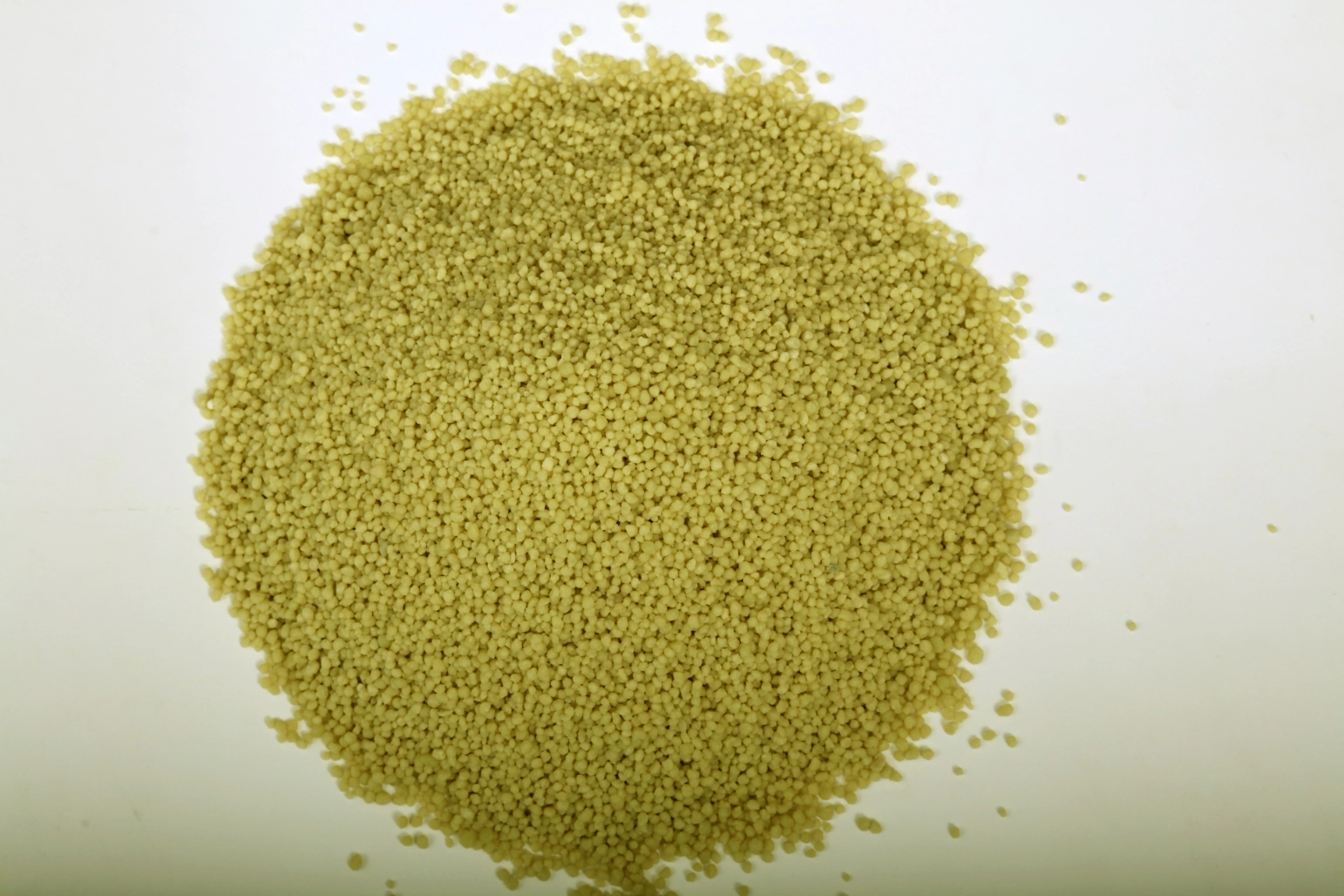
DAP : It is one of the most widespread and consumption fertilizers worldwide. It contains two essential nutritional sources for plant nutrition and growth: 46% phosphorus and 18% nitrogen. By virtue of its high percentage of phosphorus and nitrogen, it is considered an ideal option for improving the productivity of agricultural crops and enhancing their growth.

Lab Glassware
Manufacturing

Manufacturing method:

DAP is manufactured via reaction of ammonia (NH₃) with the phosphoric acid (H₃PO₄) in a process called “acid reaction with ammonia”. This reaction results in DAP which contains nitrogen and phosphor. After the ammonia reaction with the phosphoric acid in the reactor, the reaction mixture is conveyed to the granulator in order to formulate the fertilizer granules. Then, the fertilizer granules are dried to control the moisture content. Then, the produced fertilizer is sorted to obtain the standard granule size of the product; afterwards, it is dried and coated with the anti-caking agent.

Production

Production capacity:

DAP is produced with a production capacity of 700,000 tons/year at the Industrial Complex in Aqaba.

H2SO4 Product Bottle

Uses:

Fertilizer for the nutrition of agricultural crops such as the following:
  • Wheat and Rice: It helps the plants grow in their early stages.
  • Fruit and Vegetables: It supports flowering and fruit creation.
  • Legumes and Oils: It helps the creation of pods and improved seed quality.

Identification:

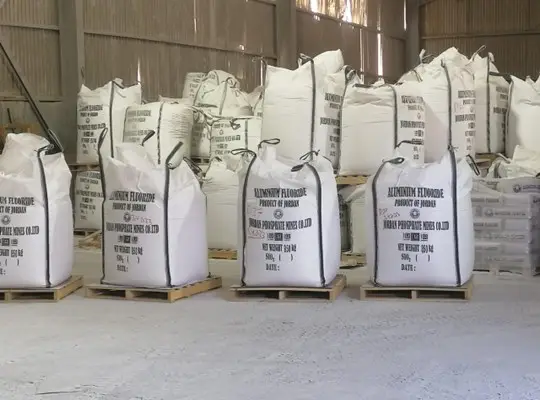
Aluminum Fluoride: It is a chemical non-organic compound used as an additive in the aluminum industry. It helps reduce the consumption of energy during the process of melting aluminum ores; which makes it necessary to improve the production efficiency and reduce the production cost in the aluminum industry.

Lab Glassware
Manufacturing

Manufacturing method:

The aluminum fluoride is manufactured via reation of aluminum hydroxide with the fluosylsilicic acid (H₂SiF₆) in special reactors operating with the Batch Reaction system. This reaction produces an aluminum fluoride solution and solid silica granules. The silica is separated from the aluminum fluoride solution through the primary filtration process, then the aluminum fluoride solution enters the crystallization stage to form aluminum fluoride crystals. After that, aluminum fluoride crystals are separated through a filtration process, then the fluoride is dried and roasted to get rid of moisture, and then packaged.

Production

Production capacity:

Aluminum Fluoride is produced at a production capacity of 11,000 tons/year at the Industrial Complex in Aqaba

H2SO4 Product Bottle

Uses:

It is mainly used in the aluminum manufacturing and helps reduce the energy needed to melt the aluminum ores via reducing the melting point of these ores and in glass manufacturing and some other chemicals.